Heart-related symptoms such as chest pain, breathlessness, or fatigue often require detailed evaluation of the blood vessels supplying the heart. Two commonly used procedures in cardiology are angiography and angioplasty. Although their names sound similar, they serve very different purposes.
At Dr. Jaydutt B Tekani’s Cardiology Practice, patients receive expert evaluation and advanced cardiac care for diagnosing and treating coronary artery disease with modern, minimally invasive techniques.
What Is Angiography?
Angiography is a diagnostic test used to visualize blood vessels, especially the coronary arteries of the heart. It helps doctors identify blockages or narrowing in the arteries.
How Angiography Works
- A thin tube called a catheter is inserted through an artery (usually in the wrist or groin)
- A contrast dye is injected into the blood vessels
- X-ray imaging is used to view blood flow in the heart arteries
Purpose Of Angiography
Angiography is used to:
- Detect blockages in heart arteries
- Assess severity of coronary artery disease
- Plan further treatment
It is a diagnostic procedure, not a treatment.
What Is Angioplasty?
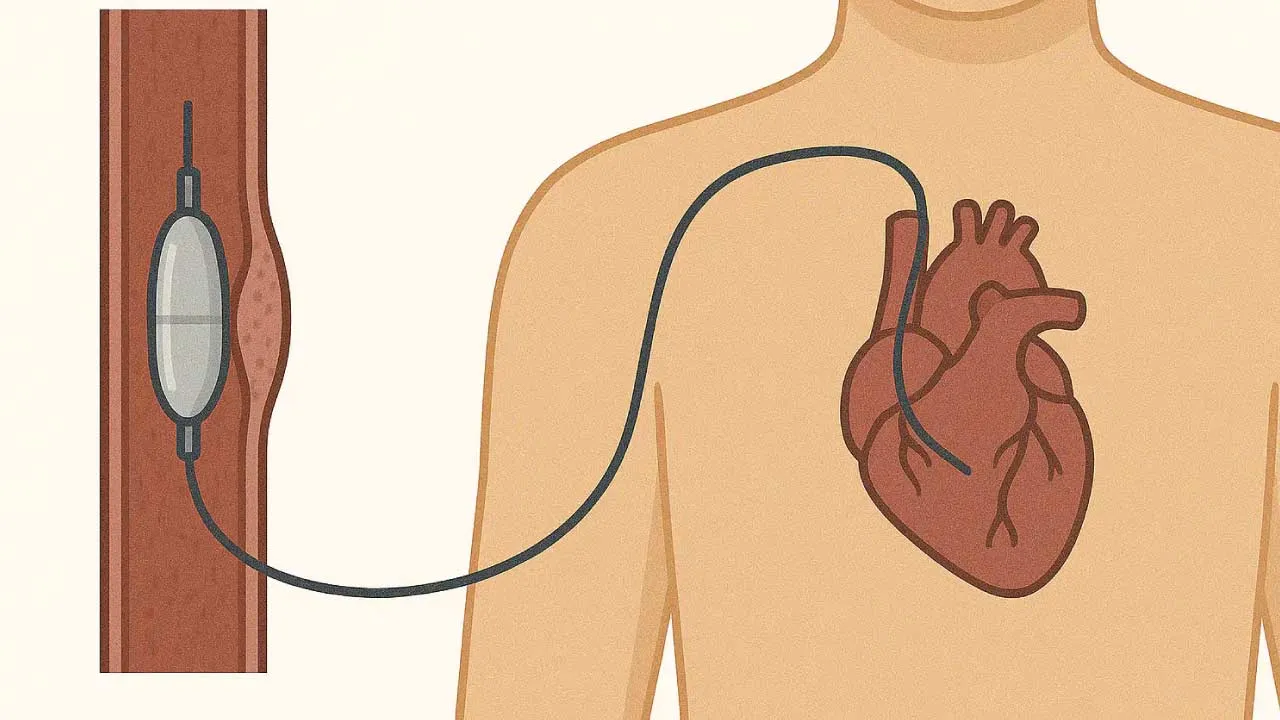
Angioplasty is a treatment procedure used to open blocked or narrowed arteries and restore proper blood flow to the heart.
How Angioplasty Works
- A catheter is inserted into the blocked artery
- A PTCA wire is inserted and passed across the lesion
- A small balloon is inflated at the site of blockage
- The artery is widened to improve blood flow
- A stent (small mesh tube) is often placed to keep the artery open
- The stent is again dilated with a balloon
Purpose Of Angioplasty
Angioplasty is used to:
- Treat blocked coronary arteries
- Relieve chest pain (angina)
- Restore blood flow after a heart attack
- Prevent further heart damage
Unlike angiography, angioplasty is a therapeutic procedure.
Key Differences Between Angiography And Angioplasty
Purpose
- Angiography: Diagnostic test
- Angioplasty: Treatment procedure
Function
- Angiography: Identifies blockages
- Angioplasty: Removes or opens blockages
Procedure Type
- Angiography: Imaging-based investigation
- Angioplasty: Interventional procedure
Use Of Stent
- Angiography: No stent used
- Angioplasty: Stent may be placed
Time Taken
- Angiography: Usually shorter procedure
- Angioplasty: Longer due to treatment steps
Recovery
- Angiography: Quick recovery
- Angioplasty: Slightly longer recovery depending on complexity
When Is Angiography Recommended?
Angiography may be advised if a patient has:
- Chest pain or discomfort
- Abnormal ECG results
- Positive stress test
- Breathlessness on exertion
- Suspected coronary artery disease
- History of heart attack
It helps doctors confirm whether arteries are blocked and how severe the condition is.
When Is Angioplasty Needed?
Angioplasty is recommended when:
- Significant blockage is detected in angiography
- A patient is having or has had a heart attack
- There is severe narrowing of coronary arteries
- Symptoms are not controlled with medications
It helps restore normal blood flow and reduce symptoms.
Is Angiography Painful?
Angiography is generally not painful as it is performed under local anesthesia. Patients may feel mild pressure at the catheter insertion site, but discomfort is usually minimal.
Is Angioplasty Safe?
Angioplasty is a commonly performed and generally safe procedure when done by experienced cardiologists. However, like any medical procedure, it may have some risks, which are carefully managed by the medical team.
Recovery After Angiography And Angioplasty
After Angiography
- Short observation period
- Same-day discharge in most cases
- Return to normal activities within a day
After Angioplasty
- Hospital stay for monitoring
- Medications prescribed for heart health
- Gradual return to normal activity
- Lifestyle changes recommended
Importance Of Early Diagnosis
Early detection of coronary artery disease helps prevent serious complications such as heart attack or heart failure. Angiography plays a key role in identifying issues before they become life-threatening.
Lifestyle Changes For Heart Health
After diagnosis or treatment, patients are advised to:
- Eat a heart-healthy diet
- Exercise regularly
- Quit smoking
- Control blood pressure and diabetes
- Reduce stress
- Take prescribed medications regularly
These habits support long-term heart health.
When Should You See A Cardiologist?
You should consult a cardiologist if you experience:
- Chest pain or pressure
- Shortness of breath
- Irregular heartbeat
- Fatigue on mild exertion
- Dizziness or fainting episodes
Early consultation can help prevent complications.
Conclusion
Angiography and angioplasty are both important procedures in cardiology but serve different roles. Angiography helps diagnose blockages in the heart, while angioplasty is used to treat them and restore proper blood flow. Understanding the difference helps patients make informed decisions about their heart health.
At Dr. Jaydutt B Tekani’s Cardiology Practice, patients receive advanced diagnostic and interventional cardiac care focused on early detection, effective treatment, and long-term heart health.
Frequently Asked Questions
Q: What is the main difference between angiography and angioplasty?
A: Angiography is a diagnostic test to detect blockages, while angioplasty is a treatment to open blocked arteries.
Q: Is angiography required before angioplasty?
A: Yes, angiography is usually performed first to identify the location and severity of blockages.
Q: How long does angioplasty take?
A: It usually takes about 30 minutes to a few hours depending on complexity.
Q: Can angioplasty cure heart disease?
A: It improves blood flow but lifestyle changes and medications are needed to manage heart disease long-term.
Q: Is recovery faster after angiography or angioplasty?
A: Recovery is generally faster after angiography compared to angioplasty.
Q: When should I see a cardiologist?
A: You should consult a cardiologist if you experience chest pain, breathlessness, or other heart-related symptoms.

Expert heart care backed by over a decade of interventional excellence. Visit us anytime; we are open 24 hours a day, seven days a week.


© 2026 | Dr. Jaydutt B Tekani | All rights reserved | Digital Marketing by Remedo