Pacemakers and Device Implantation
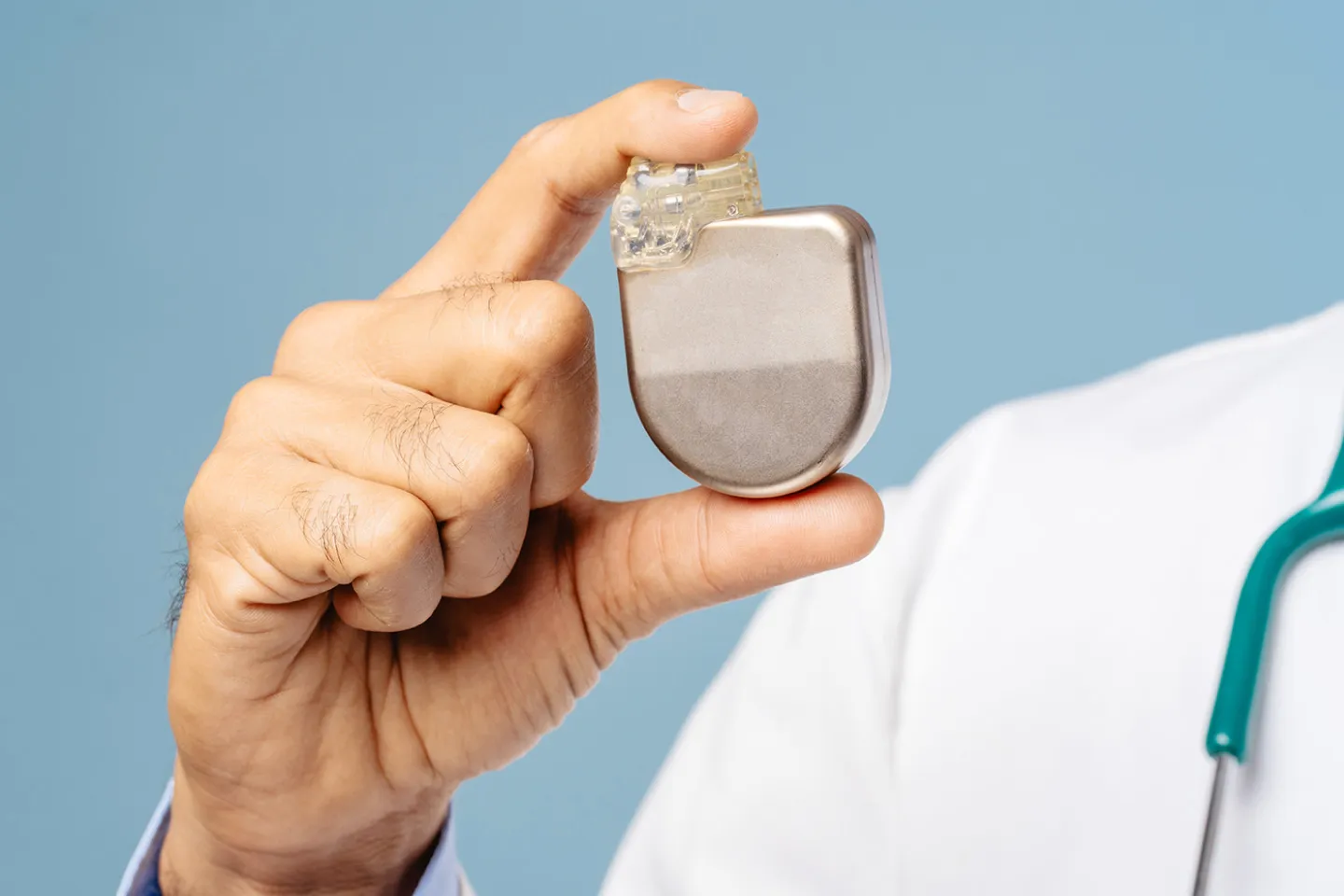
Pacemakers and cardiac devices play a crucial role in treating heart rhythm disorders and preventing life-threatening complications. These advanced devices help the heart maintain a normal rhythm, improve heart function, and significantly enhance the patient’s quality of life.
Dr Jaydutt B Tekani, an experienced Interventional Cardiologist, specialises in the evaluation and implantation of pacemakers and other cardiac rhythm management devices, ensuring precision, safety, and long-term support for patients with rhythm or conduction abnormalities.
What Are Pacemakers and Cardiac Devices?
A pacemaker is a small, battery-powered electronic device implanted under the skin (usually near the collarbone) to help control abnormal heart rhythms.
It sends painless electrical impulses to the heart muscles to ensure the heart beats at a proper rate and rhythm.
In addition to traditional pacemakers, other specialised devices are also used based on the condition:
Types of Cardiac Devices
- Single-Chamber Pacemaker – Stimulates either the right atrium or right ventricle
- Dual-Chamber Pacemaker – Coordinates signals between both chambers of the heart
- Biventricular Pacemaker (CRT – Cardiac Resynchronisation Therapy) – Helps both sides of the heart beat in sync, improving pumping efficiency in heart failure patients
- ICD (Implantable Cardioverter Defibrillator) – Monitors heart rhythm and delivers shocks if dangerous arrhythmias occur
- CRT-D (Cardiac Resynchronisation Therapy with Defibrillator) – Combines the functions of CRT and ICD for patients with severe heart weakness and rhythm problems
Each device is selected based on the individual’s cardiac condition, symptoms, and diagnostic findings.
Why Pacemaker or Device Implantation Is Recommended?
Your cardiologist may recommend a pacemaker or device implantation if your heart beats too slowly, too fast, or irregularly, leading to poor blood circulation and symptoms like fatigue, dizziness, or fainting.
Common Conditions That Require a Pacemaker or Device Support
- Bradycardia (slow heart rate)
- Heart block (delayed electrical conduction between heart chambers)
- Sick Sinus Syndrome
- Atrial fibrillation with slow ventricular response
- Heart failure with poor pumping efficiency
- Life-threatening arrhythmias (sudden cardiac arrest, ventricular tachycardia, or fibrillation)
Pacemakers and ICDs help restore normal rhythm, prevent cardiac arrest, and improve survival and heart performance.
How the Procedure Works?
Pacemaker or device implantation is a minimally invasive procedure performed in a cardiac catheterisation or electrophysiology lab under local anaesthesia and mild sedation.
Before the Procedure
- Routine blood tests, ECG, and echocardiography are performed.
- You may need to stop certain medications temporarily.
- The cardiologist will explain the procedure and obtain your consent.
During the Procedure
- Local anaesthesia is applied to numb the area below the collarbone.
- A small incision (2–3 cm) is made.
- Leads (thin wires) are guided through a vein into the heart chambers under X-ray guidance.
- The pacemaker or device generator is placed under the skin and connected to the leads.
- The device’s function and settings are tested to ensure proper performance.
The entire procedure usually takes 45–90 minutes and requires a short hospital stay (1–2 days).
After the Procedure
- The incision site is dressed and monitored for infection or swelling.
- Device settings are fine-tuned before discharge.
- You’ll receive a pacemaker ID card and instructions for follow-up visits and device checks.
Recovery and Life After Pacemaker Implantation
Most patients recover quickly and resume light activities within a few days.
You can live a normal, active life with a pacemaker or device, but it’s important to:
- Avoid strenuous activity or lifting the arm on the implanted side for a few weeks
- Keep regular device check-ups (in-person or remote monitoring)
- Inform airport/security staff, as metal detectors can affect device function
- Carry your pacemaker identification card at all times
- Follow a heart-healthy lifestyle with proper diet and medication compliance
Modern devices are highly reliable, MRI-compatible, and can last 8–12 years before needing replacement.
Benefits of Pacemaker and Device Implantation
- Restores and maintains a normal heart rhythm
- Prevents dizziness, fainting, and fatigue
- Reduces risk of sudden cardiac arrest
- Improves heart function and exercise capacity
- Enhances the quality and longevity of life
Is Pacemaker or Device Implantation Safe?
Yes. These procedures are safe and routine when performed by an experienced interventional cardiologist.
Minor risks may include:
- Bleeding or bruising at the incision site
- Temporary swelling or discomfort
- Rare risk of infection or lead displacement
- Rare allergic reaction to medications or materials
All precautions are taken to ensure safety, comfort, and precise implantation.
Follow-Up and Device Monitoring
After implantation, the device’s performance is regularly monitored through:
- Device programming checks in the clinic
- Remote monitoring systems (for compatible devices)
- Periodic battery and lead function evaluations
Dr Jaydutt B Tekani provides comprehensive follow-up care to ensure the device functions optimally and the patient remains symptom-free.
Expert in Advanced Cardiac Devices – Dr Jaydutt B Tekani
Dr Jaydutt B Tekani is an accomplished Interventional and Device Specialist Cardiologist, skilled in performing:
- Permanent Pacemaker Implantation
- ICD and CRT Device Implantation
- Device Upgrades and Replacements
- Lead Revision Procedures
He combines advanced cardiac technology with compassionate, personalised care to help patients live healthy, active lives with confidence.
Book Your Consultation
If you experience irregular heartbeat, fatigue, or fainting spells, or have been advised a pacemaker or cardiac device, consult Dr Jaydutt B Tekani for expert evaluation and individualised treatment options.
Schedule your appointment today and take control of your heart rhythm and well-being with expert device care and long-term support.
Expert heart care backed by over a decade of interventional excellence. Visit us anytime; we are open 24 hours a day, seven days a week.


© 2026 | Dr. Jaydutt B Tekani | All rights reserved | Digital Marketing by Remedo