Complex Angioplasty
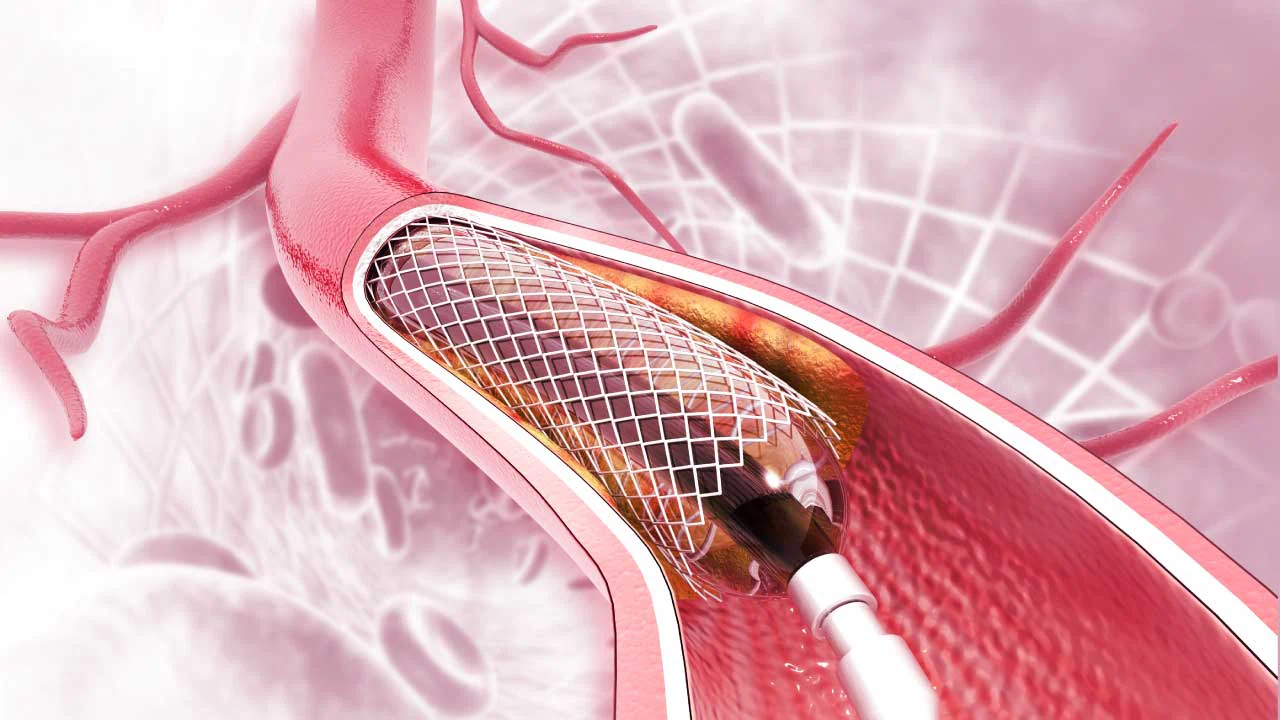
Complex Angioplasty, also known as Complex or High-Risk Percutaneous Coronary Intervention (CHIP PCI), is an advanced form of coronary angioplasty performed to treat challenging or high-risk blockages in the heart arteries. These procedures are often needed in patients with multiple, heavily calcified, long, or previously treated blockages, or those with weakened heart function or other medical conditions that make routine angioplasty more difficult.
Dr. Jaydutt B Tekani, an experienced Interventional Cardiologist, specializes in performing complex and high-risk angioplasties using the latest techniques and technologies to achieve excellent results with maximum safety.
What Is a Complex Angioplasty?
A Complex Angioplasty is a specialized, highly technical procedure that goes beyond standard angioplasty.
It involves opening difficult or high-risk coronary blockages that may be resistant to traditional balloon and stent methods.
These cases require advanced equipment, intravascular imaging, and hemodynamic support devices, along with the expertise of a skilled interventional cardiologist.
Types of Complex Angioplasty Procedures
- Chronic Total Occlusion (CTO) Angioplasty: Opening arteries completely blocked for months or years
- Bifurcation Angioplasty: Treating blockages that occur at branching points of arteries
- Calcified Lesion Angioplasty: Using devices like rotational atherectomy (Rotablation) or intravascular lithotripsy (IVL) to break down hard calcium deposits
- Left Main Coronary Artery Angioplasty: Treating blockages in the main artery supplying most of the heart
- High-risk PCI in Low Ejection Fraction (weak heart)
- Re-stenosis Angioplasty: Treating blockages within previously placed stents
Who Needs a Complex Angioplasty?
Your cardiologist may recommend a complex angioplasty if you have:
- Multiple or long blockages in the coronary arteries
- Complete blockage (CTO) with long-standing symptoms
- Severe calcification in the arteries
- Narrowing in critical locations (like the left main artery or bifurcation points)
- Previous bypass surgery with blocked grafts
- Weak heart function (low ejection fraction)
- Other health conditions, such as kidney disease or diabetes, that increase procedural risk
These patients often require tailored strategies to ensure complete revascularization (restoring blood flow to the entire heart muscle).
How the Procedure Works
Complex Angioplasty is performed in a state-of-the-art Cardiac Catheterization Laboratory (Cath Lab) equipped with advanced imaging and support systems.
Before the Procedure
- You will undergo a detailed evaluation, including ECG, echocardiography, coronary angiography, and sometimes CT coronary imaging.
- Blood tests and medication reviews will be done.
- Your doctor will explain the risks and benefits and obtain informed consent.
During the Procedure
- A local anaesthetic is used to numb the wrist or groin area.
- A catheter is guided through the artery to the heart.
- Advanced guidewires, microcatheters, or atherectomy devices are used to cross difficult lesions.
- Imaging tools like Intravascular Ultrasound (IVUS) or Optical Coherence Tomography (OCT) are used to visualize the blockage in detail.
- A balloon is inflated to open the blockage, followed by stent placement to keep the artery open.
- In high-risk cases, mechanical support devices such as Intra-Aortic Balloon Pump (IABP) or Impella may be used to stabilize heart function during the procedure.
The procedure duration varies depending on complexity but generally lasts between 1 to 3 hours.
After the Procedure
- You’ll be monitored in a Cardiac ICU for 12–24 hours.
- Blood pressure, heart rate, and ECG are closely watched.
- Most patients are discharged within 2–3 days after recovery and observation.
- Follow-up visits are scheduled for monitoring and medication adjustments.
Advanced Techniques Used in Complex Angioplasty
Dr. Jaydutt B Tekani employs modern tools and methods to ensure high success rates and patient safety, including:
- Rotational Atherectomy (Rotablation) for calcified arteries
- Intravascular Lithotripsy (IVL) for calcium-breaking using sonic pressure waves
- Intravascular Imaging (IVUS / OCT) for precise visualization and stent optimization
- Dual Access Techniques (radial + femoral) for CTO cases
- Hemodynamic Support Devices (IABP / Impella) for high-risk patients
These innovations help open even the most difficult arteries safely and effectively.
Benefits of Complex Angioplasty
- Treats previously untreatable or high-risk blockages
- Avoids or postpones bypass surgery in many cases
- Improves heart function and blood flow
- Relieves chest pain and breathlessness
- Enhances exercise tolerance and overall quality of life
- Provides faster recovery compared to open-heart surgery
Is Complex Angioplasty Safe?
When performed by an expert interventional cardiologist in a well-equipped center, complex angioplasty is highly effective and safe.
While the procedure carries more risk than standard angioplasty, advanced imaging, precision tools, and support systems significantly minimize complications.
Possible Risks (Rare)
- Bleeding or bruising at the catheter site
- Temporary irregular heart rhythm
- Artery re-narrowing (restenosis)
- Heart attack or stroke (very rare)
- Allergic reaction to dye
- Kidney function changes (temporary)
Dr. Jaydutt B Tekani ensures comprehensive pre-procedure evaluation, meticulous planning, and post-procedure monitoring to ensure optimal outcomes.
Recovery and Follow-Up
Most patients can resume normal activities within a week after discharge. You’ll be advised to:
- Take prescribed blood thinners and heart medications
- Follow a heart-healthy diet and exercise plan
- Avoid smoking and alcohol
- Attend regular follow-up visits for check-ups and lifestyle guidance.
Continuous medical supervision helps maintain stent health and prevent future complications.
Expert in Complex and High-Risk Angioplasty – Dr. Jaydutt B Tekani
Dr. Jaydutt B B Tekani is a highly skilled Interventional Cardiologist with extensive experience in performing complex and high-risk angioplasties (CHIP procedures). He is known for his expertise in:
- Treating Chronic Total Occlusions (CTO)
- Performing Left Main and Bifurcation Angioplasties
- Managing calcified arteries using atherectomy and IVL
- Utilizing intravascular imaging for precise stent placement
- Handling high-risk cardiac patients with advanced support systems
With a patient-centered approach, Dr. Tekani ensures every complex case is treated with precision, innovation, and compassion.
Book Your Consultation
If you’ve been advised to undergo bypass surgery, have complex coronary blockages, or continue to experience symptoms despite treatment, consult Dr. Jaydutt B Tekani for a detailed evaluation.
Get a second opinion and explore advanced, minimally invasive options for your heart. Schedule your appointment today and take a confident step toward restoring your heart health with expert care.

Expert heart care backed by over a decade of interventional excellence. Visit us anytime; we are open 24 hours a day, seven days a week.


© 2026 | Dr. Jaydutt B Tekani | All rights reserved | Digital Marketing by Remedo