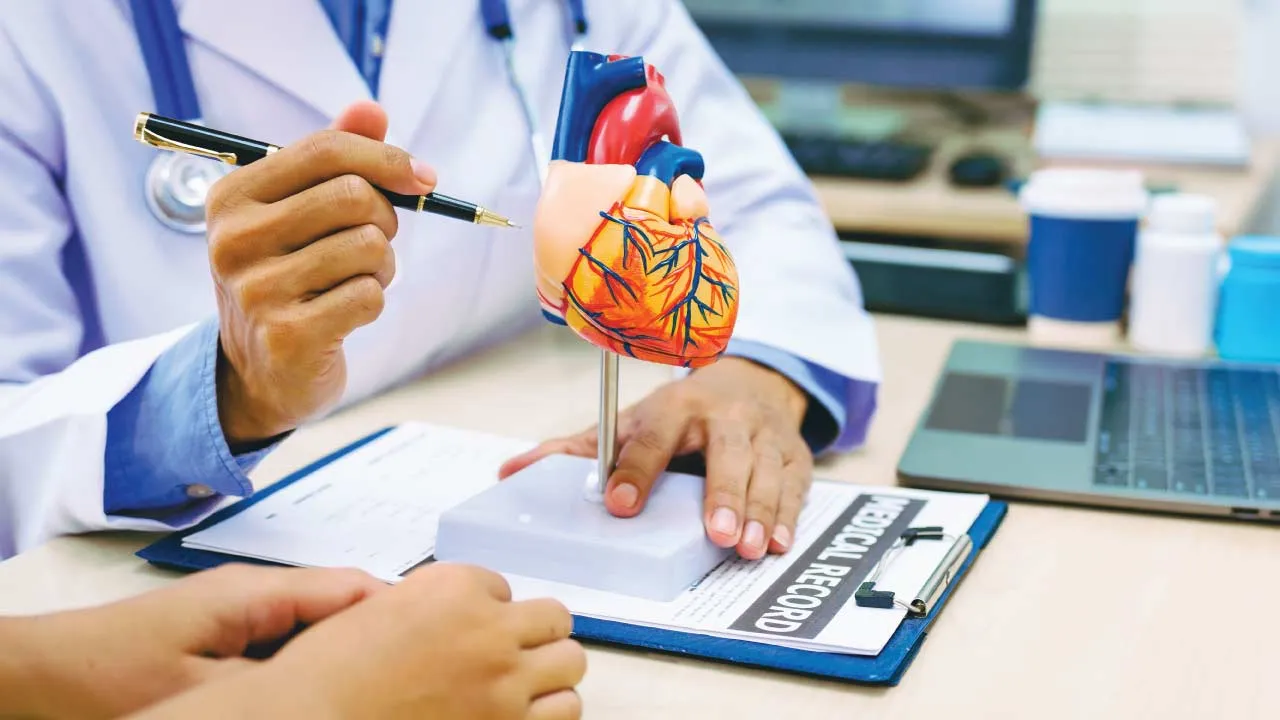
Heart valve disease is a serious condition that affects how blood flows through the heart. The heart has four valves that ensure blood moves in the correct direction. When any of these valves do not open or close properly, it can lead to heart valve disease, which may gradually worsen if not diagnosed and treated on time.
At Dr. Palkesh Agrawal’s Cardiothoracic and Vascular Surgery Practice, patients receive advanced evaluation and surgical care for complex heart and vascular conditions, including heart valve disorders, using modern and evidence-based approaches.
What Are Heart Valve Problems?
Heart valve problems occur when one or more of the heart valves do not function properly. This can happen due to:
- Valve narrowing (stenosis)
- Valve leakage (regurgitation)
- Valve stiffness or damage
- Infection or inflammation of valves
When valves malfunction, the heart has to work harder to pump blood, which can lead to heart failure over time.
Common Types Of Heart Valve Disease
Aortic Valve Disease
Affects blood flow from the heart to the rest of the body.
Mitral Valve Disease
Affects blood flow between the left atrium and left ventricle.
Tricuspid Valve Disease
Affects blood flow between the right atrium and right ventricle.
Pulmonary Valve Disease
Affects blood flow from the heart to the lungs.
Each type may present with different symptoms depending on severity.
Symptoms Of Heart Valve Problems You Should Not Ignore
Shortness Of Breath
Difficulty breathing, especially during activity or lying down, may be an early sign of valve dysfunction.
Fatigue And Weakness
Reduced blood flow can lead to tiredness and lack of energy even during routine activities.
Chest Pain Or Discomfort
Some patients may experience chest tightness or pressure due to reduced blood supply.
Irregular Heartbeat
Heart valve problems can cause palpitations or irregular heart rhythms.
Swelling In Legs, Ankles, Or Feet
Fluid retention due to poor heart function may cause swelling in lower limbs.
Dizziness Or Fainting
Reduced blood flow to the brain can lead to lightheadedness or fainting episodes.
Persistent Cough
Some patients may develop a chronic cough, sometimes worse at night.
Rapid Weight Gain
Sudden weight gain due to fluid buildup may indicate worsening heart function.
Why Heart Valve Problems Should Not Be Ignored
Untreated heart valve disease can gradually worsen and lead to:
- Heart failure
- Stroke risk (in some conditions)
- Irregular heart rhythms
- Reduced quality of life
- Severe breathlessness
- Organ damage due to poor circulation
Early diagnosis can significantly improve outcomes and treatment success.
Causes Of Heart Valve Disease
Heart valve problems may develop due to:
Age-Related Changes
Valves may become stiff or thickened with age.
Rheumatic Fever
A complication of untreated streptococcal infection affecting heart valves.
Congenital Heart Defects
Some individuals are born with abnormal valve structures.
Infections (Endocarditis)
Bacterial infections can damage heart valves.
Heart Disease Or Heart Attack
Can weaken heart structures and affect valve function.
High Blood Pressure
Long-term hypertension can strain the heart valves.
How Heart Valve Disease Is Diagnosed
Doctors use several tests to evaluate heart valve function:
Echocardiography (2D Echo)
Uses ultrasound to visualize heart valves and blood flow.
ECG (Electrocardiogram)
Measures heart rhythm and electrical activity.
Chest X-Ray
Helps assess heart size and lung condition.
CT Or MRI Scan
Provides detailed imaging in complex cases.
Cardiac Catheterization
Used in selected patients for detailed evaluation.
Treatment Options For Heart Valve Problems
Treatment depends on severity and type of valve disease.
Medications
Used to manage symptoms such as:
- Diuretics for fluid buildup
- Blood pressure control medicines
- Heart rate control drugs
- Anticoagulants in selected cases
Lifestyle Modifications
- Low-salt diet
- Regular monitoring
- Avoiding smoking
- Controlled physical activity
Surgical Treatment
In advanced cases, surgery may be required.
Options include:
- Valve repair
- Valve replacement (mechanical or biological valves)
- Minimally invasive heart surgery in suitable cases
Modern techniques have significantly improved safety and recovery outcomes.
When Should You See A Cardiothoracic Surgeon?
You should consult a specialist if you experience:
- Persistent breathlessness
- Chest discomfort
- Swelling in legs
- Fainting episodes
- Known heart murmur
- Abnormal heart test results
- Worsening fatigue
Early evaluation can prevent serious complications.
Importance Of Early Detection
Heart valve disease often progresses slowly and may remain unnoticed in early stages. Regular checkups can help detect problems before symptoms become severe.
Early treatment may:
- Improve heart function
- Reduce surgical risk
- Prevent complications
- Improve long-term survival
Conclusion
Heart valve problems are serious but treatable conditions when diagnosed early. Recognizing warning symptoms such as breathlessness, fatigue, chest discomfort, and swelling is crucial for timely medical intervention.
At Dr. Palkesh Agrawal’s Cardiothoracic and Vascular Surgery Practice, patients receive advanced diagnostic and surgical care for heart valve diseases, focusing on safe, effective, and long-term cardiac health outcomes.
FAQs
Q: What are the early symptoms of heart valve disease?
A: Early symptoms may include breathlessness, fatigue, palpitations, and mild chest discomfort.
Q: Can heart valve problems be treated without surgery?
A: Mild cases may be managed with medications and lifestyle changes, but severe cases may require surgery.
Q: Is heart valve disease dangerous?
A: Yes, if left untreated, it can lead to heart failure and serious complications.
Q: What is the most common test for heart valve problems?
A: Echocardiography (2D Echo) is the most commonly used test.
Q: Can heart valve disease develop with age?
A: Yes, age-related wear and tear is a common cause of valve problems.
Q: When should I see a heart specialist?
A: You should consult a specialist if you have persistent breathlessness, chest pain, or swelling in legs.
Expert heart care backed by over a decade of interventional excellence. Visit us anytime; we are open 24 hours a day, seven days a week.


© 2026 | Dr. Jaydutt B Tekani | All rights reserved | Digital Marketing by Remedo