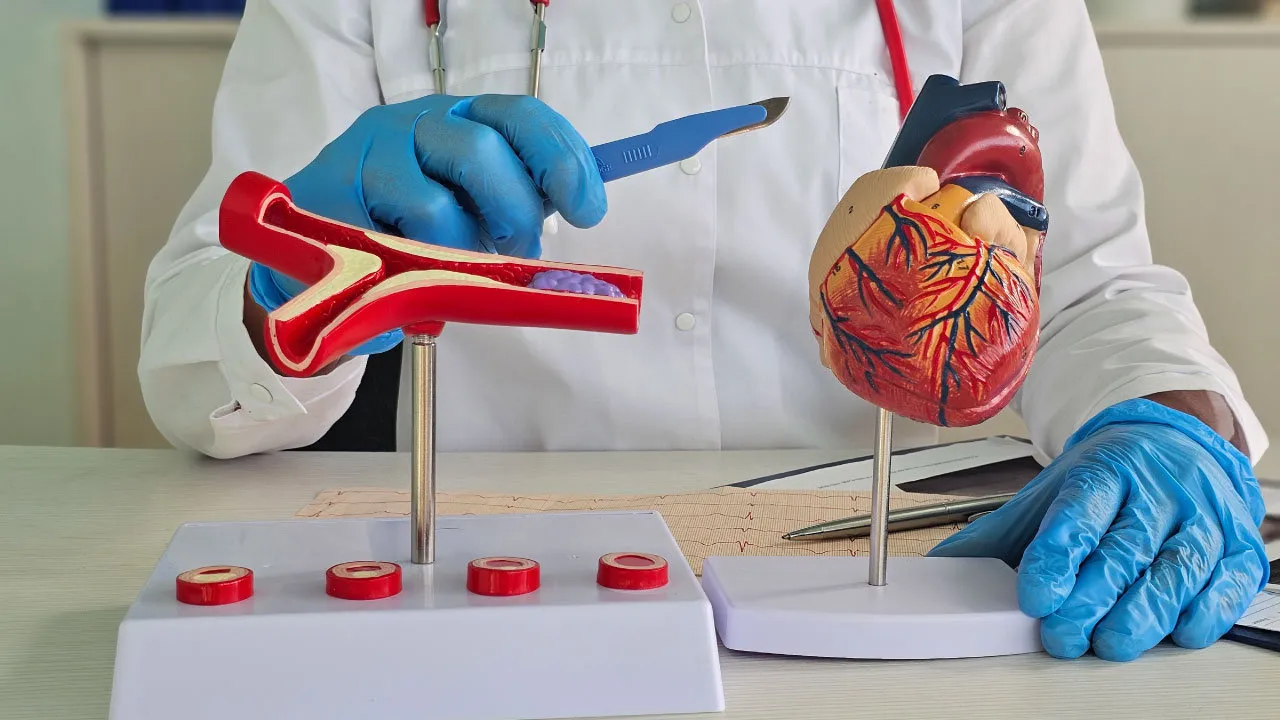
If your cardiologist has recommended a cardiac catheterization, it's natural to have questions. Many people feel anxious simply because they don't know what to expect. The good news is that cardiac catheterization is a commonly performed procedure that provides valuable information about your heart and blood vessels. In some cases, it can even be used to treat certain heart conditions during the same session.
Knowing how the procedure is performed and why it's recommended can help you feel more prepared and confident.
What Is Cardiac Catheterization?
Cardiac catheterization is a minimally invasive procedure used to examine the heart and its blood vessels. During the procedure, a thin, flexible tube called a catheter is inserted into a blood vessel, usually in the wrist or groin, and carefully guided to the heart using X-ray imaging.
Your doctor can then assess how well your heart is functioning, check for narrowed or blocked coronary arteries, measure pressures within the heart, or perform additional procedures if needed.
Why Is Cardiac Catheterization Performed?
Your cardiologist may recommend cardiac catheterization to:
- Investigate chest pain
- Evaluate suspected coronary artery disease
- Assess abnormal stress test results
- Diagnose certain heart valve problems
- Measure heart function and blood flow
- Evaluate congenital heart conditions
- Plan or perform treatments such as angioplasty and stent placement when appropriate
The procedure provides detailed information that may not be available through noninvasive tests alone.
How Should You Prepare?
Before the procedure, your healthcare team will review your medical history, medications, allergies, and recent test results.
You may be advised to:
- Avoid eating or drinking for several hours before the procedure
- Discuss blood-thinning medications with your doctor
- Inform your healthcare team about allergies, especially to contrast dye
- Arrange for someone to drive you home if you're discharged the same day
Your cardiologist will provide instructions specific to your situation.
What Happens During the Procedure?
After arriving at the catheterization laboratory, you'll be asked to change into a hospital gown. Monitoring equipment will be attached to continuously check your heart rate, blood pressure, and oxygen levels.
The area where the catheter will be inserted is cleaned, and a local anesthetic is used to numb the skin. Most patients remain awake throughout the procedure, although medications may be given to help them relax.
The cardiologist then inserts the catheter through an artery, usually in the wrist (radial artery) or groin (femoral artery), and gently guides it toward the heart.
A special contrast dye is injected through the catheter, allowing the coronary arteries and heart chambers to be seen clearly on X-ray images. You may briefly feel a warm sensation when the dye is injected, which is normal and usually passes quickly.
If a significant blockage is identified and appropriate, procedures such as angioplasty or stent placement may sometimes be performed during the same session.
How Long Does the Procedure Take?
A diagnostic cardiac catheterization typically takes less than 30 minutes, although the duration may be longer if additional treatments are performed. A diagnostic angiogram usually take about 5 to 10 min as procedure time.
Afterward, you'll be monitored in a recovery area before returning home or staying overnight if needed.
What Is Recovery Like?
Recovery depends on whether the catheter was inserted through the wrist or groin and whether additional procedures were performed.
Most patients can:
- Resume light activities within a day or two
- Drink plenty of fluids to help flush out the contrast dye
- Follow instructions regarding lifting and strenuous activity
- Attend follow-up appointments as recommended
Your doctor will explain when it's safe to return to work and your usual routine.
Are There Any Risks?
Cardiac catheterization is generally considered safe, especially when performed by experienced specialists. However, like any medical procedure, it carries some risks.
Potential complications may include:
- Bleeding or bruising at the catheter insertion site
- Infection
- Allergic reaction to the contrast dye
- Irregular heart rhythms
- Blood vessel injury
- Rarely, heart attack or stroke
Your cardiologist will discuss the benefits and potential risks before the procedure.
Understanding the Procedure Can Ease Anxiety
Cardiac catheterization is an important tool for diagnosing and treating many heart conditions. While the idea of a heart procedure may seem intimidating, the procedure is routinely performed and provides essential information that helps guide the best treatment plan.
If your cardiologist recommends cardiac catheterization, don't hesitate to ask questions. Understanding what to expect before, during, and after the procedure can help you approach it with greater confidence and peace of mind.
Explore Cardiac Care Options With Dr. Jaydutt B. Tekani
If you've been advised to undergo cardiac catheterization or are experiencing symptoms such as chest pain, shortness of breath, or unexplained fatigue, consult Dr. Jaydutt B. Tekani. A thorough cardiac evaluation and personalized treatment plan can help diagnose heart conditions accurately and guide you toward the most appropriate care for your heart health.
Frequently Asked Questions
Q: Will I be awake during cardiac catheterization?
A: Yes. Most patients remain awake, but medications may be given to help them relax. A local anesthetic is used to numb the catheter insertion site.
Q: Is cardiac catheterization painful?
A: Most patients experience minimal discomfort. You may feel slight pressure during catheter insertion and a brief warm sensation when the contrast dye is injected.
Q: How long does recovery take?
A: Many patients return to light activities within one to two days, although recovery depends on the procedure performed and your doctor's recommendations.
Q: Can a blocked artery be treated during cardiac catheterization?
A: Yes. If appropriate, angioplasty and stent placement may sometimes be performed during the same procedure.
Q: Why can't a stress test provide the same information?
A: Stress tests provide valuable information about heart function, but cardiac catheterization allows direct visualization of the coronary arteries and can identify blockages more precisely.

Expert heart care backed by over a decade of interventional excellence. Visit us anytime; we are open 24 hours a day, seven days a week.


© 2026 | Dr. Jaydutt B Tekani | All rights reserved | Digital Marketing by Remedo