What Happens During a Heart Attack and Why Every Minute Counts
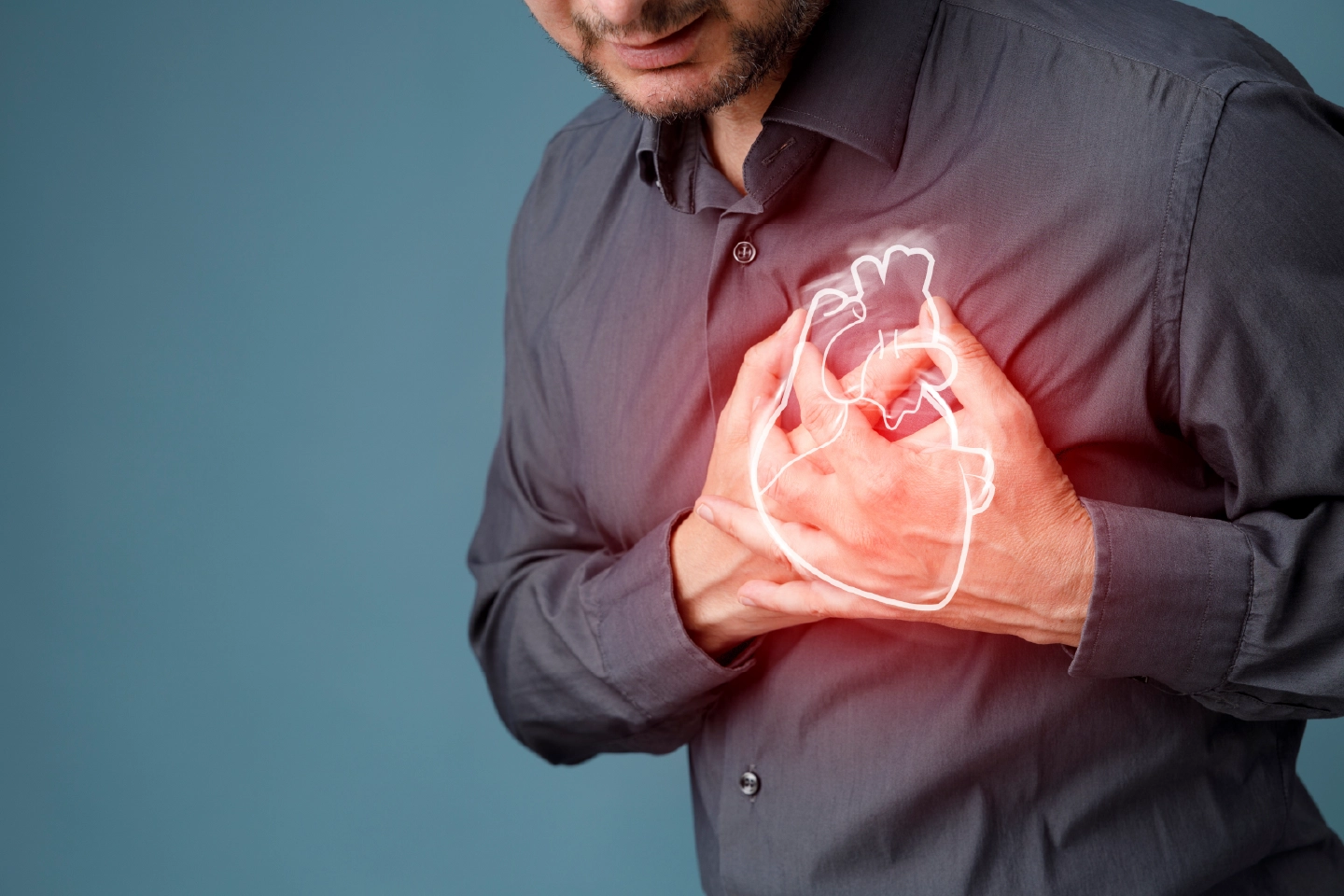
Heart disease continues to be one of the leading causes of illness and death in India, yet many people overlook its early signs. Often, symptoms begin quietly and progress gradually. Recognising them early can make a big difference, not only in preventing complications but also in saving lives.
This article explains the early warning signs of heart disease, why they occur, and when you should consult a cardiologist.
What Is Heart Disease?
Heart disease is a broad term used for several conditions that affect the heart and blood vessels. These include:
- Coronary artery disease (CAD) – narrowing of the arteries due to plaque buildup
- Heart rhythm problems (arrhythmias) – irregular heartbeats
- Heart failure – when the heart cannot pump blood effectively
- Heart valve disease – malfunction of one or more valves that control blood flow
While genetics and age are factors, lifestyle habits such as smoking, lack of physical activity, high blood pressure, obesity, and diabetes greatly increase your risk.
Early Warning Signs You Should Never Ignore
Heart disease rarely develops suddenly. The body often sends early signals that something is wrong. Paying attention to these symptoms can help you act before a major event like a heart attack.
Chest Discomfort or Pain
This is the most common and recognisable symptom. You may feel heaviness, tightness, burning, or pressure in the chest, sometimes described as a weight sitting on your chest. It may occur during physical activity or emotional stress and ease with rest.
For some, the discomfort spreads to the shoulders, arms, neck, jaw, or back. If you experience this repeatedly, it is important to see a cardiologist immediately.
Shortness of Breath
If you feel breathless while climbing stairs or walking short distances, it could indicate that your heart is not pumping blood efficiently. Fluid may accumulate in the lungs, leading to difficulty breathing.
Shortness of breath can appear even before chest pain, so it should never be ignored.
Unusual Fatigue
Persistent tiredness, even after adequate rest, can be an early sign of heart disease, especially in women. The heart might not be delivering enough oxygen to meet the body’s needs.
If simple tasks like household chores or short walks leave you exhausted, a heart check-up is advisable.
Swelling in the Feet, Ankles, or Abdomen
When the heart’s pumping efficiency reduces, blood may back up in the veins, causing fluid retention. This leads to swelling, usually in the feet or ankles, and sometimes in the abdomen.
Swelling that worsens by evening or after long periods of sitting may be a sign of heart failure.
Irregular Heartbeat or Palpitations
A fluttering, pounding, or irregular heartbeat can sometimes be harmless, but frequent palpitations or skipped beats, especially with dizziness or fainting, may indicate a rhythm disorder. Certain arrhythmias can increase the risk of stroke or cardiac arrest.
Dizziness or Fainting Spells
Sudden lightheadedness or fainting could be due to irregular heart rhythms or a drop in blood pressure that limits blood flow to the brain. These symptoms need medical attention, especially if they occur repeatedly.
Discomfort in the Upper Body
Heart-related pain is not always confined to the chest. It may occur in the arms, shoulders, neck, jaw, or even the upper back. This is particularly common among women, who might not have classic chest pain during a heart attack.
Why Early Detection Matters
Early diagnosis and treatment can significantly improve outcomes. Detecting heart disease in its initial stages helps to:
- Prevent the progression of arterial blockages
- Manage cholesterol and blood pressure effectively
- Control diabetes and other contributing conditions
- Reduce the risk of heart attacks, strokes, and heart failure
Diagnostic tools like ECG, echocardiography, treadmill testing, and coronary angiography can help detect heart disease before major symptoms appear.
How To Protect Your Heart
Maintaining heart health involves consistent lifestyle choices and regular monitoring.
Eat a Balanced Diet
Focus on fruits, vegetables, whole grains, lean proteins, and healthy fats. Limit processed foods, sugar, and salt intake.
Exercise Regularly
Engage in at least 30 minutes of moderate physical activity most days of the week to strengthen your heart and improve circulation.
Quit Smoking
Smoking is a major risk factor for heart disease. Stopping tobacco use immediately reduces your risk.
Monitor Your Health
Keep track of blood pressure, cholesterol, and blood sugar levels. Regular check-ups help detect potential problems early.
Manage Stress
Chronic stress can affect heart function. Techniques like yoga, meditation, or deep breathing can help maintain emotional balance.
Get Regular Screenings
Even if you feel healthy, periodic heart check-ups are important, particularly if you have a family history of cardiac problems.
When To See A Cardiologist
Consult a cardiologist if you experience any of the following:
- Chest pain or pressure
- Breathlessness during routine activities
- Swelling in the legs or ankles
- Irregular or fast heartbeat
- Unexplained tiredness or dizziness
Prompt evaluation can prevent serious complications and help you maintain long-term heart health.
Take Charge Of Your Heart Health
Your heart works tirelessly for you every day. Taking care of it should be a priority. Understanding early warning signs and acting promptly can make a life-saving difference.
If you experience any of the symptoms mentioned above or have risk factors like high blood pressure, diabetes, or a family history of heart disease, seek professional advice today.
Book a Consultation with Dr Jaydutt B Tekani, Cardiologist
Dr Jaydutt B Tekani offers comprehensive cardiac evaluations, advanced diagnostics, and personalised treatment plans to help you protect your heart and live a healthier life.
Schedule your appointment today and take the first step towards a stronger, healthier heart.
Expert heart care backed by over a decade of interventional excellence. Visit us anytime; we are open 24 hours a day, seven days a week.


© 2026 | Dr. Jaydutt B Tekani | All rights reserved | Digital Marketing by Remedo