CT Angiography (Coronary & Others)
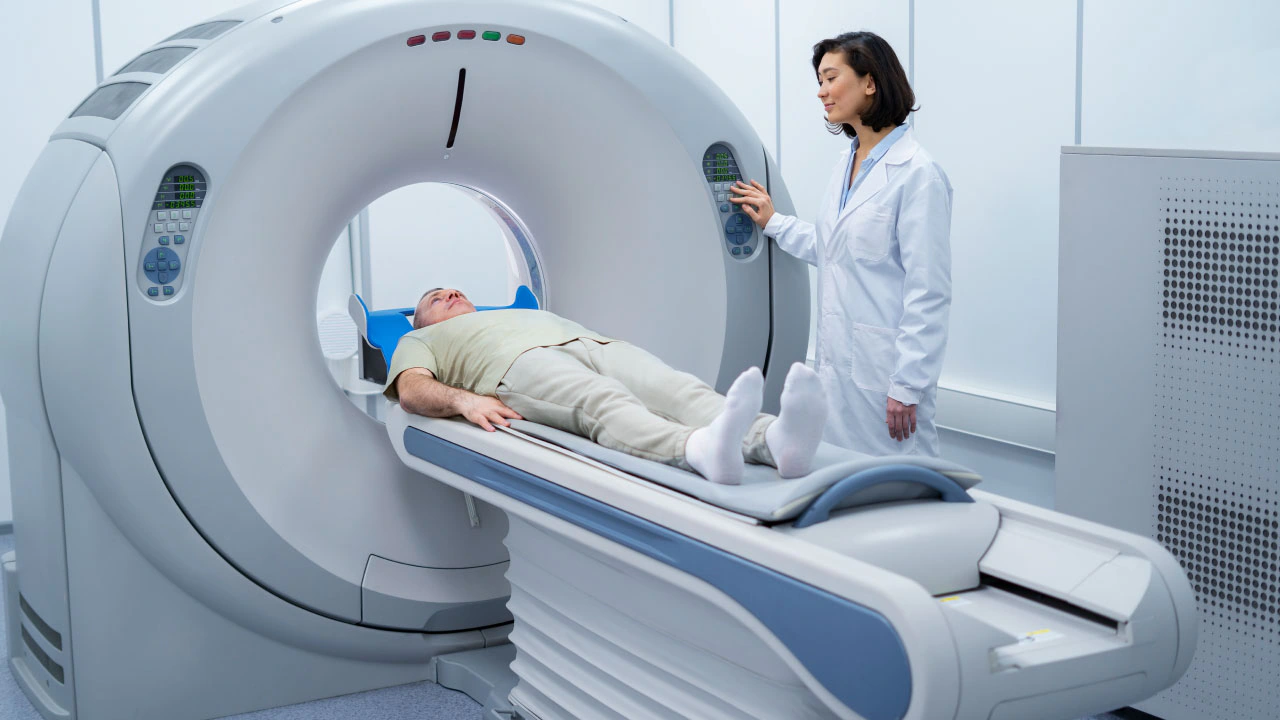
CT Angiography (CTA) is an advanced, non-invasive imaging test used to examine blood vessels throughout the body, including those that supply the heart, brain, lungs, and other organs. It helps detect blockages, narrowing, or structural problems that may affect blood flow and lead to serious conditions.
What Is CT Angiography?
CT Angiography combines the power of computed tomography (CT) with a special contrast dye injected into the bloodstream. The dye highlights the blood vessels, allowing clear 3D visualisation of arteries and veins.
This scan helps doctors evaluate:
- Blood flow through arteries and veins
- Narrowing or blockages caused by plaque buildup
- Aneurysms (bulging of blood vessels)
- Congenital or structural vascular abnormalities
Unlike traditional angiography, CT Angiography is non-invasive and does not require inserting a catheter into the arteries. It is fast, safe, and provides precise results in just a few minutes.
Types Of CT Angiography
Coronary CT Angiography (Heart)
This is the most common form of CTA, focusing on the coronary arteries that supply blood to the heart muscle. It helps in detecting:
- Coronary artery disease (CAD)
- Calcium deposits or plaque buildup
- Narrowing or blockage of arteries
- Congenital heart abnormalities
It is recommended for patients with chest pain, shortness of breath, or a family history of heart disease. Coronary CTA is an essential tool for identifying heart conditions before they cause severe complications.
Cerebral CT Angiography (Brain)
This scan visualises blood vessels in the brain and neck. It helps detect:
- Aneurysms
- Stroke or transient ischemic attack (TIA)
- Vascular malformations
- Arterial narrowing
Cerebral CTA allows for early intervention and accurate diagnosis of brain-related vascular issues.
Pulmonary CT Angiography (Lungs)
Pulmonary CTA focuses on the arteries of the lungs. It is primarily used to identify pulmonary embolism, a condition caused by blood clots blocking blood flow in the lungs.
It also helps detect:
- Pulmonary hypertension
- Vascular malformations
- Clot formation affecting lung circulation
This test is critical for patients experiencing sudden shortness of breath or unexplained chest pain.
Peripheral CT Angiography (Limbs)
This scan examines arteries in the arms and legs to detect:
- Peripheral artery disease (PAD)
- Blood clots or reduced blood flow
- Vascular injuries or aneurysms
It helps identify circulation problems that may cause pain or delayed wound healing in the limbs.
Abdominal or Renal CT Angiography
This type of CTA examines blood vessels in the abdomen and kidneys. It helps in diagnosing:
- Aortic aneurysm
- Renal artery stenosis (narrowing of arteries supplying the kidneys)
- Abdominal vascular blockages
Early detection through CTA helps prevent complications related to kidney damage or high blood pressure caused by restricted blood flow.
Why CT Angiography Is Recommended
Dr Jaydutt B Tekani may recommend CT Angiography if you experience:
- Chest pain or tightness
- Shortness of breath
- Sudden weakness or dizziness
- Leg pain while walking
- Numbness or tingling in limbs
- Unexplained fatigue or palpitations
It is also recommended if you have risk factors such as high cholesterol, diabetes, high blood pressure, or a family history of heart disease.
How The Procedure Is Done
Before the Scan
- You may be asked to fast for 4 to 6 hours before the procedure.
- Inform the doctor about any allergies, medications, or kidney issues.
- If a coronary CTA is being performed, medication may be given to slow your heart rate for better image clarity.
During the Scan
- You will lie on a motorised table that moves through the CT scanner.
- A small IV line will be placed in your arm for the contrast dye injection.
- The dye highlights blood vessels, and you may feel a brief warm sensation.
- You will need to hold your breath for short periods while the machine captures images.
The entire procedure usually takes about 30 to 60 minutes.
After the Scan
- You can resume normal activities shortly after.
- It is advised to drink plenty of water to help flush out the contrast dye.
- The doctor will review the results and discuss the findings with you in detail.
Understanding The Results
The CT Angiography images help the doctor assess:
- The location and extent of blockages or narrowing
- Presence of aneurysms or vessel malformations
- Blood flow patterns and oxygen supply to organs
- Plaque buildup in arteries
These findings help determine the best treatment plan, which may include lifestyle changes, medication, or further procedures such as angioplasty or stent placement.
Benefits Of CT Angiography
- Non-invasive and painless
- Fast and highly accurate results
- Detailed 3D visualisation of blood vessels
- Early detection of heart and vascular diseases
- Helps guide treatment and prevent complications
- Minimal recovery time and no hospital stay needed
CT Angiography allows for a clear view of vascular health and supports better treatment planning for long-term well-being.
Safety And Risks
CT Angiography is generally safe. However, as with any medical test, there are a few considerations:
- A small amount of radiation exposure is involved, kept within safe limits.
- The contrast dye may cause mild side effects such as warmth, metallic taste, or nausea in some individuals.
- Rarely, patients may experience an allergic reaction to the dye.
Preparing For Your CT Angiography
To ensure accurate results:
- Avoid caffeine and smoking before the test.
- Follow fasting instructions carefully.
- Wear loose, comfortable clothing.
- Remove jewellery or metallic accessories.
Book Your Appointment Today
If you have symptoms such as chest pain, breathlessness, or are at risk of vascular disease, do not delay evaluation. Early detection can prevent serious complications.
Expert heart care backed by over a decade of interventional excellence. Visit us anytime; we are open 24 hours a day, seven days a week.


© 2026 | Dr. Jaydutt B Tekani | All rights reserved | Digital Marketing by Remedo