Device Closure of ASD, PDA, VSD, RSOV
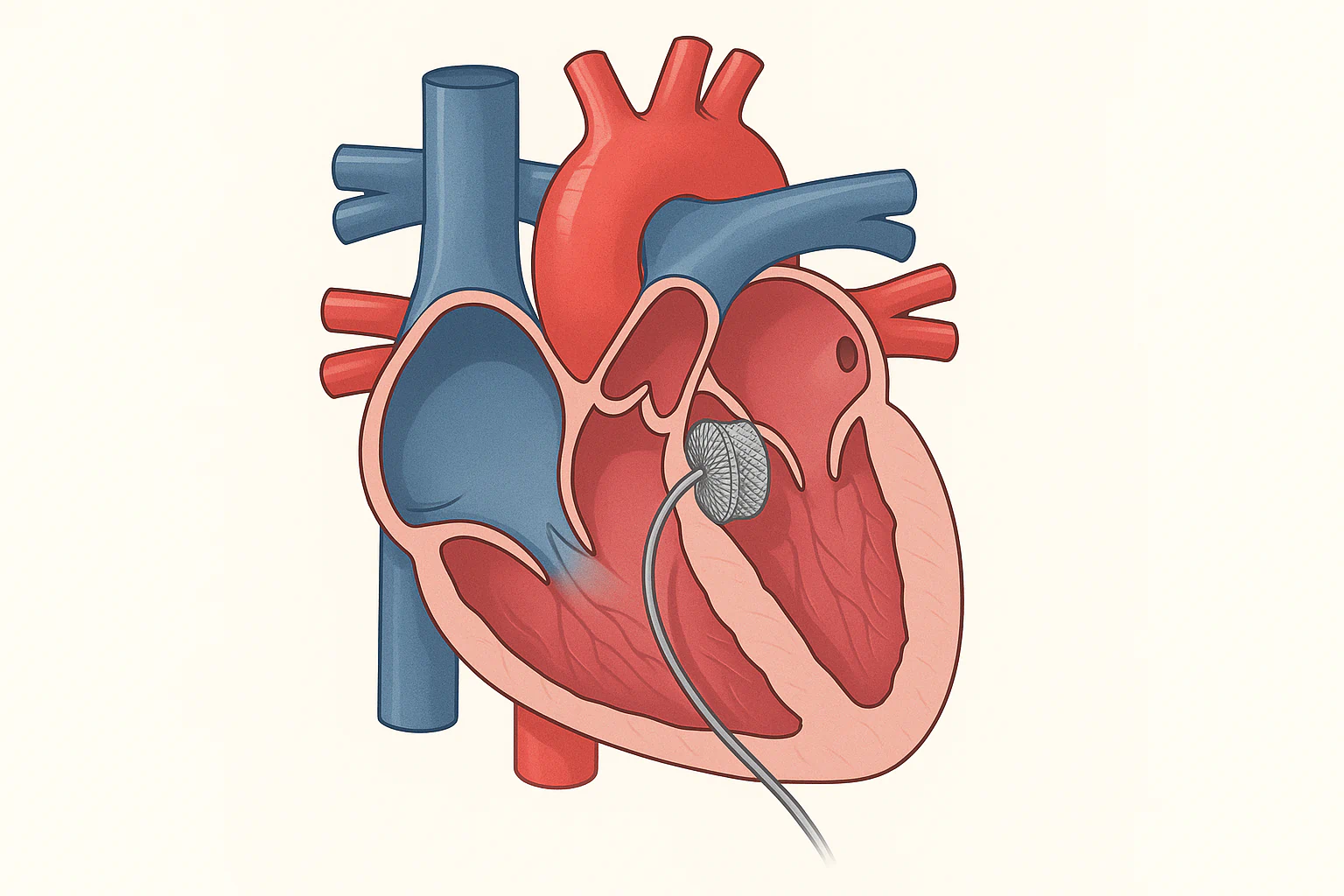
Heart defects such as ASD (Atrial Septal Defect), VSD (Ventricular Septal Defect), PDA (Patent Ductus Arteriosus), and RSOV (Ruptured Sinus of Valsalva) are conditions where abnormal openings or connections exist in the heart’s structure. These can lead to improper blood flow, overworking of the heart, and, in severe cases, heart failure if left untreated.
Thanks to advances in cardiac care, these defects can now be treated without open-heart surgery using a minimally invasive procedure called device closure. Under the expert care of Dr. Jaydutt B Tekani, a skilled Cardiologist, patients can undergo safe and effective correction of these defects with faster recovery and minimal discomfort.
What Is Device Closure?
Device closure is a catheter-based technique performed in a cardiac catheterization lab. Instead of opening the chest, a thin tube called a catheter is inserted through a blood vessel, usually in the groin, and guided to the heart using imaging. A specially designed occluder device (resembling a small umbrella or disc) is then placed across the defect to seal the abnormal opening permanently.
The device remains in the heart and becomes part of the body’s tissue over time, ensuring normal blood flow and function.
Conditions Treated by Device Closure
- Atrial Septal Defect (ASD): An opening between the heart’s upper chambers. If left untreated, it can lead to right heart enlargement and arrhythmias. Device closure effectively seals the hole and prevents complications.
- Ventricular Septal Defect (VSD): A hole between the lower chambers that causes blood mixing. Device closure helps restore proper pressure balance and reduces the risk of heart failure or infections.
- Patent Ductus Arteriosus (PDA): A persistent connection between the aorta and pulmonary artery after birth. Closing it prevents excess blood flow to the lungs and heart strain.
- Ruptured Sinus of Valsalva (RSOV): A rare condition where an abnormal connection forms between the aortic sinus and heart chambers. Device closure helps stop abnormal shunting and avoids surgical risks.
Benefits of Device Closure
- No major incision or scar
- Short hospital stay (usually 1–2 days)
- Faster recovery and return to daily activities.
- Minimal pain and blood loss
- Lower risk of complications compared to open surgery
With Dr. Jaydutt B Tekani’s expertise in interventional cardiology, each procedure is tailored to the patient’s condition, anatomy, and overall health, ensuring the best possible outcome.
What to Expect During the Procedure
- The patient is given mild anaesthesia or sedation.
- The cardiologist inserts the catheter into a vein or artery and guides it to the heart.
- The occluder device is deployed across the defect under imaging guidance.
- Once positioned, the device expands and seals the hole.
- The catheter is removed, and the patient is observed for a short period before discharge.
Recovery and Follow-Up
Most patients resume normal activities within a few days. Regular follow-ups, ECG, and echocardiography are recommended to ensure the device is in place and functioning well. Dr. Tekani provides comprehensive post-procedure care, including guidance on medication and lifestyle recommendations for long-term heart health.
Consult an Expert Cardiologist
If you or your loved one has been diagnosed with ASD, PDA, VSD, or RSOV, timely treatment can prevent future complications and improve heart function.
Consult Dr. Jaydutt B Tekani, an experienced Cardiologist, for an expert evaluation and personalized device closure treatment plan.
Book your consultation today and take a step towards a healthier heart.
Expert heart care backed by over a decade of interventional excellence. Visit us anytime; we are open 24 hours a day, seven days a week.


© 2026 | Dr. Jaydutt B Tekani | All rights reserved | Digital Marketing by Remedo